Cockroach Thinking: The Founder Mindset That Outlasts Every Crisis


The power went out at 11:43 on a Tuesday morning. Amara had been on a demo call with a prospect in Accra, a logistics company, their biggest lead that month, when the screen went black. No UPS. No generator. The modem died with the lights.
She had been here before. Many times before. She picked up her phone, switched to mobile data, and sent a WhatsApp message: "Load shedding. Back in 20. Apologies." Then she walked to the kitchen, made tea on a gas ring, and waited.
The prospect replied: "No problem. Same here last week."
The call resumed. The deal closed.
This is what cockroach thinking looks like in practice. Not heroic. Not dramatic. A founder who had already built the disruption into her mental model, so when it arrived, as it always does, she did not panic. She adapted. She kept moving.
The Founder Who Cannot Be Stopped
There is a type of founder who does not appear in the origin stories that get written up. They do not raise large rounds. They do not feature in "30 under 30" lists before they have built anything. What they do is stay in the game, month after month, in markets that regularly test whether they should.
The cockroach is the right metaphor because it is not about being impressive. It is about being unkillable. Cockroaches have outlasted conditions that wiped out most life on the planet, not through strength or speed, but through adaptability, low resource requirements, and a complete absence of any assumption that conditions will be comfortable.
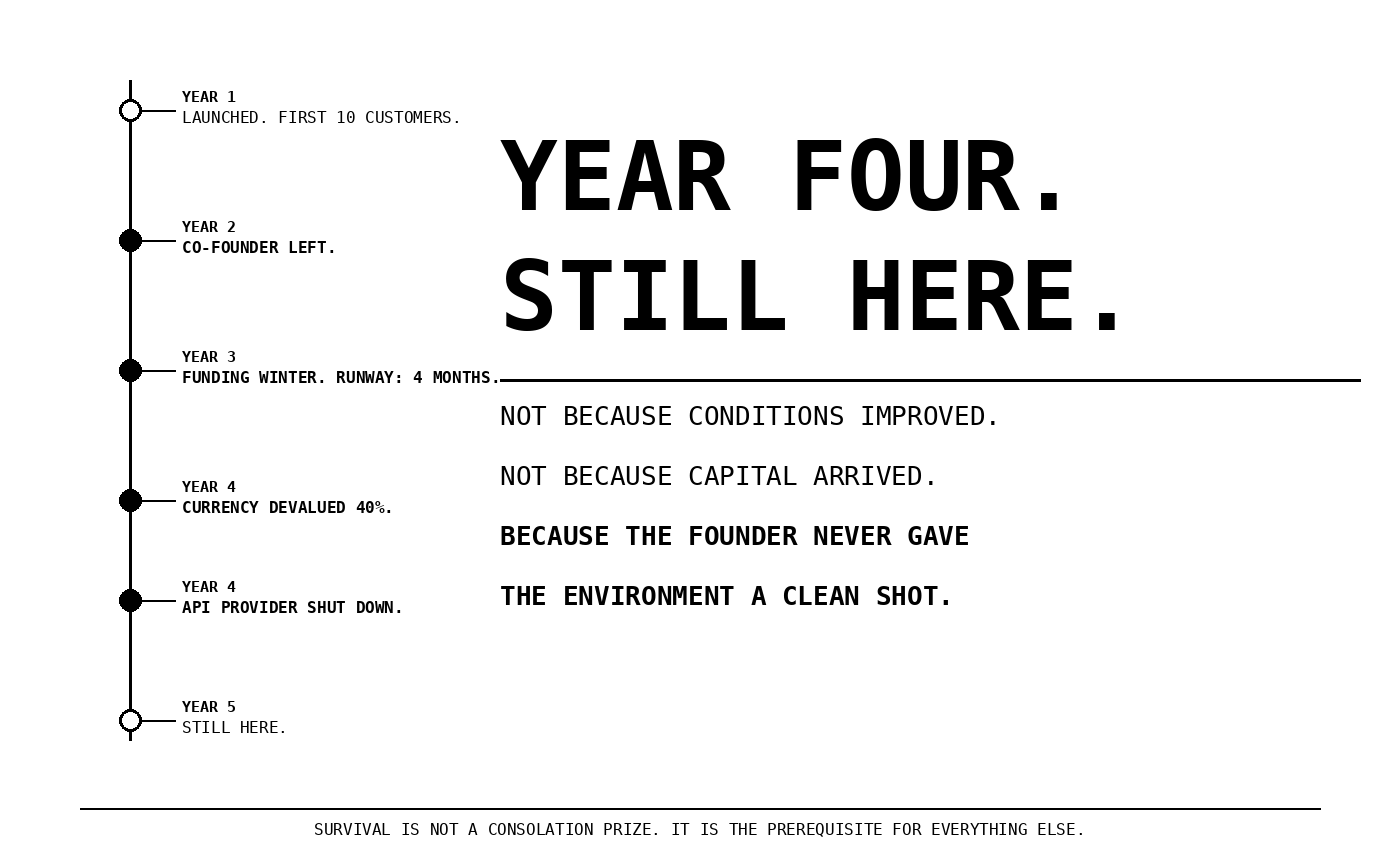
In African startup markets, that quality compounds into genuine competitive advantage. The founder still building in year four, after the funding winter, after the currency devaluation, after the platform change that broke their main integration, after the co-founder who left, has something no accelerator can teach: lived evidence that they can survive.
I have met a handful of these founders in Africa. None of them talk about resilience. They just talk about what they did next.
What The Environment Actually Demands
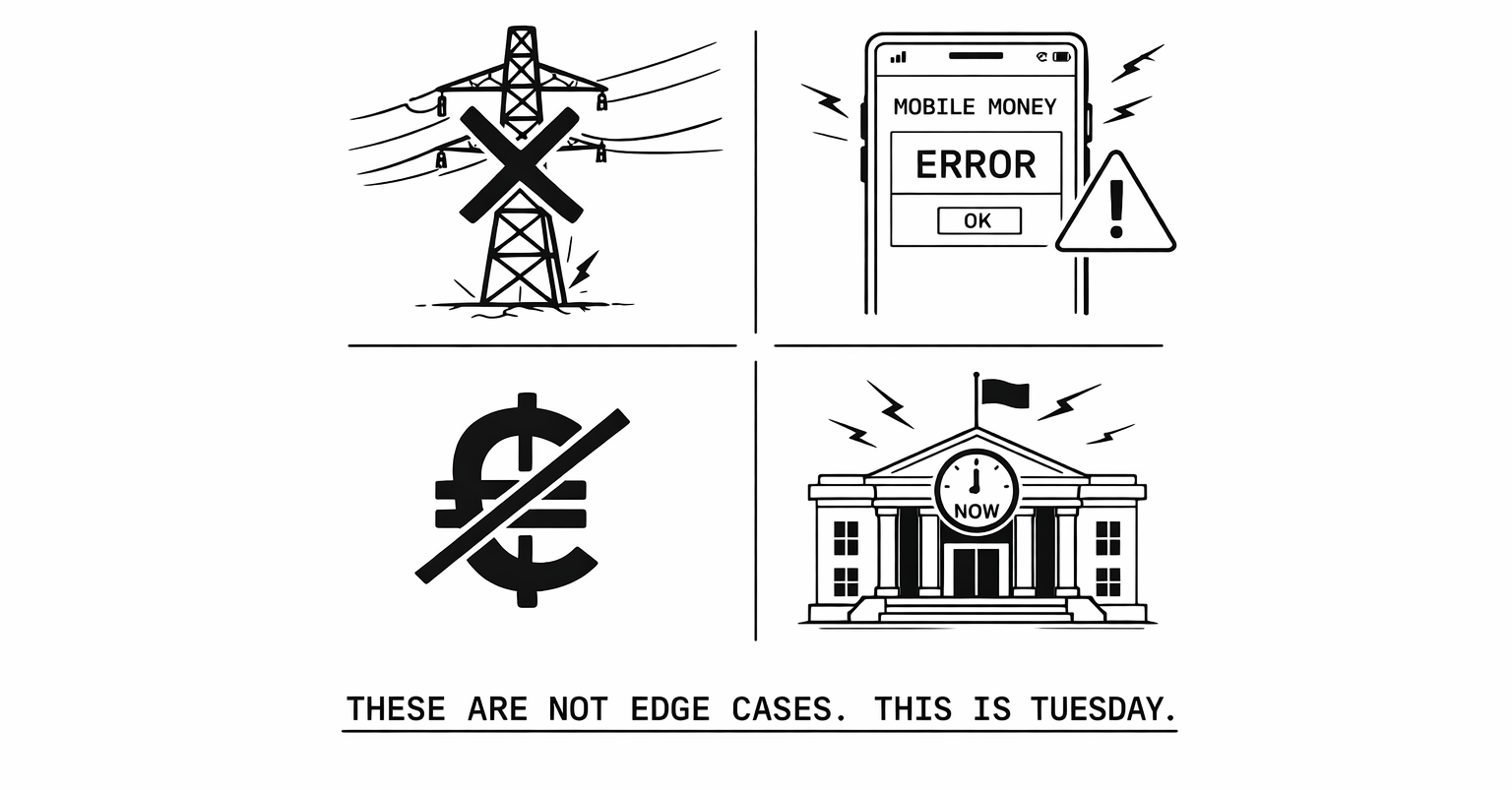
Building in most African markets means treating as normal what would count as a crisis elsewhere...